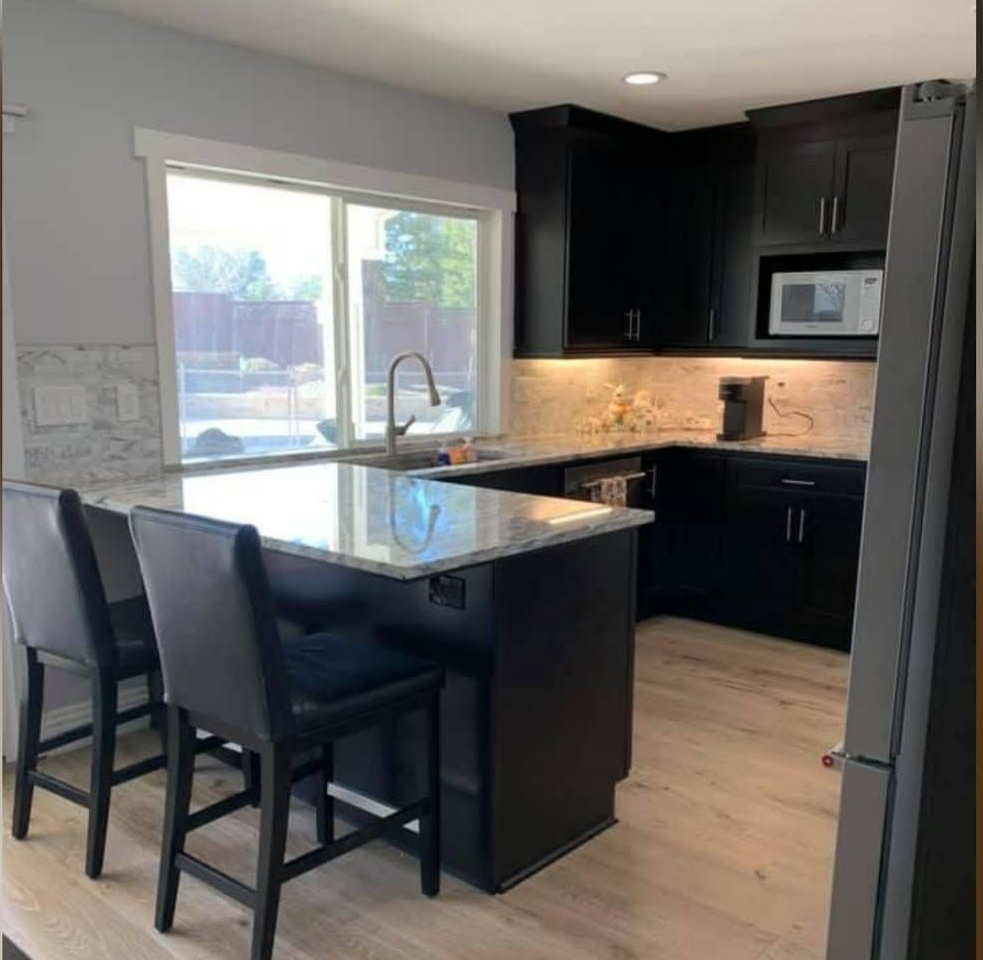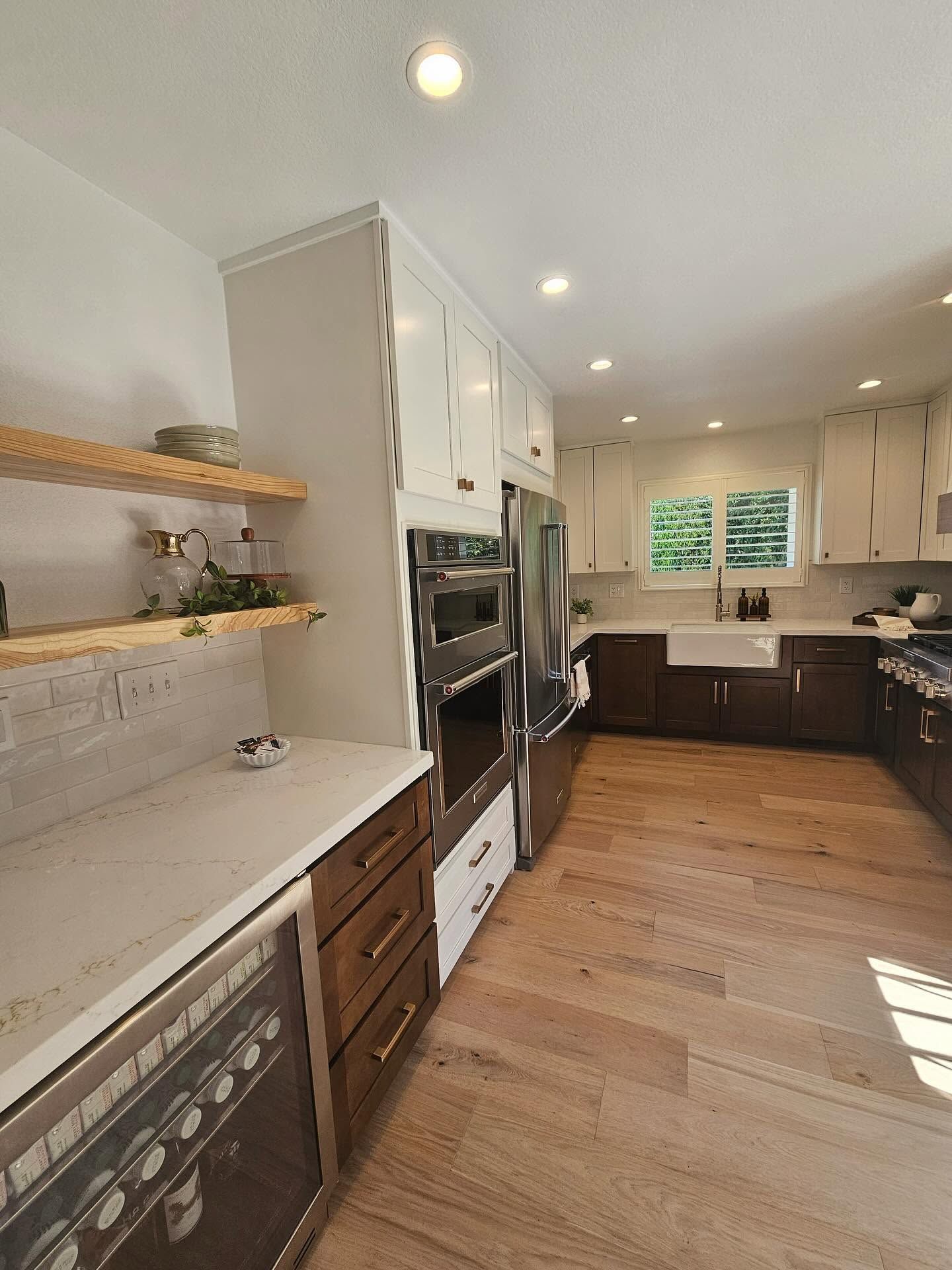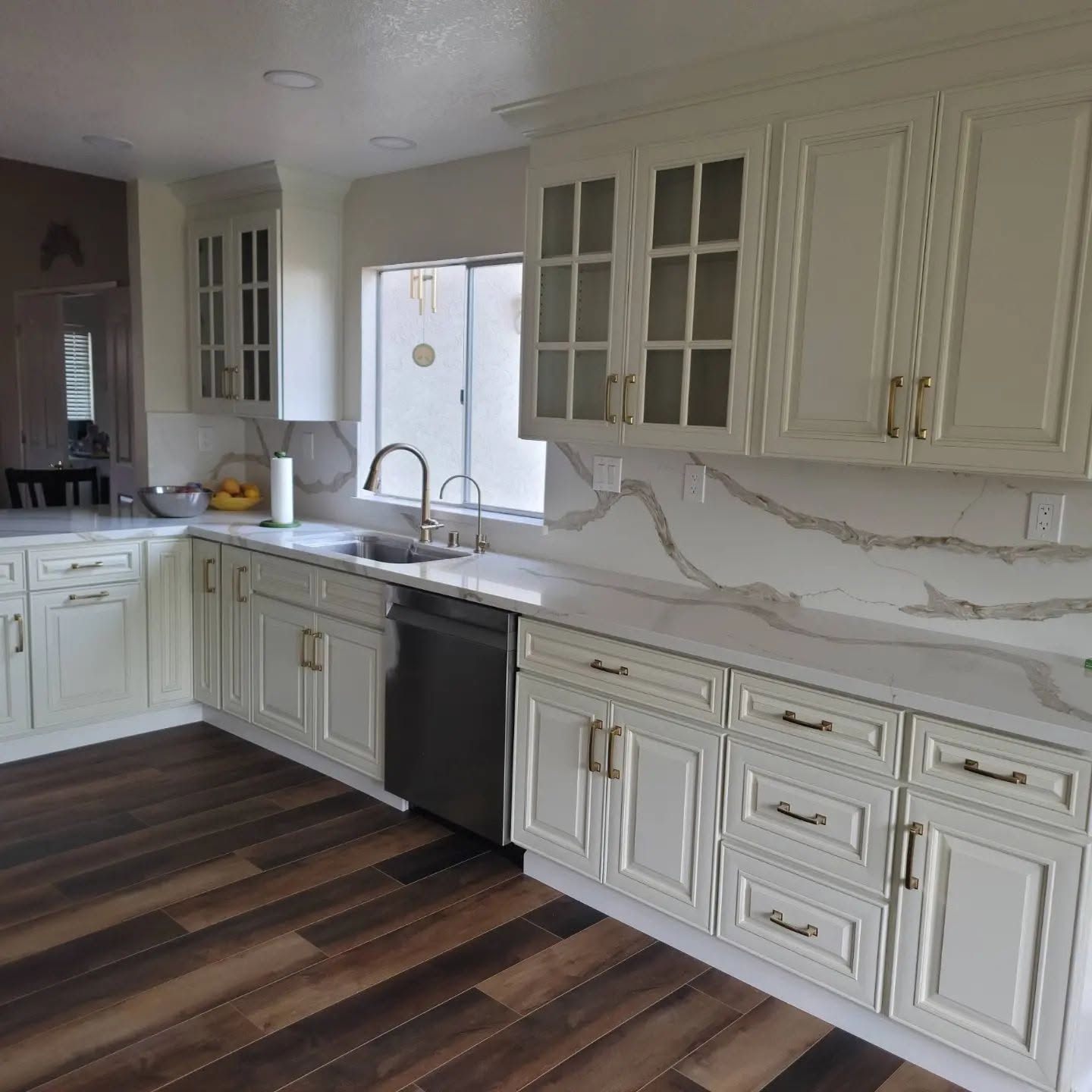
Floors That
Handle Moisture and Traffic
Vinyl Flooring Installation in Livermore for kitchens, bathrooms, and spaces where water exposure damages traditional materials
Luxury vinyl flooring resists moisture, scratches, and dent damage that ruins hardwood and laminate in high-traffic areas. Homeowners replacing worn linoleum, outdated ceramic tile, or water-damaged wood choose vinyl plank and tile products that replicate natural materials while providing easier maintenance and longer performance. D&M kitchen and bath supply installs luxury vinyl in kitchens where dropped utensils and standing water test durability, bathrooms where humidity causes laminate edges to swell, and living spaces where pet claws and furniture legs leave permanent marks on softer surfaces.
Professional installation begins with subfloor preparation that determines whether vinyl performs as designed or develops problems within months. Installers check for level variations exceeding manufacturer tolerances, fill low spots with floor patch compound, and sand high areas until smooth transitions exist across the entire surface. Concrete subfloors receive moisture testing because vinyl acts as a vapor barrier that traps groundwater rising through slabs, causing adhesive failure and mildew growth underneath planks. Wood subfloors must remain structurally sound without bounce or squeaks that telegraph through thin vinyl layers, requiring additional fastening or underlayment installation before flooring begins.
Request a flooring estimate to review product options available through the showroom and evaluate subfloor conditions at your property.
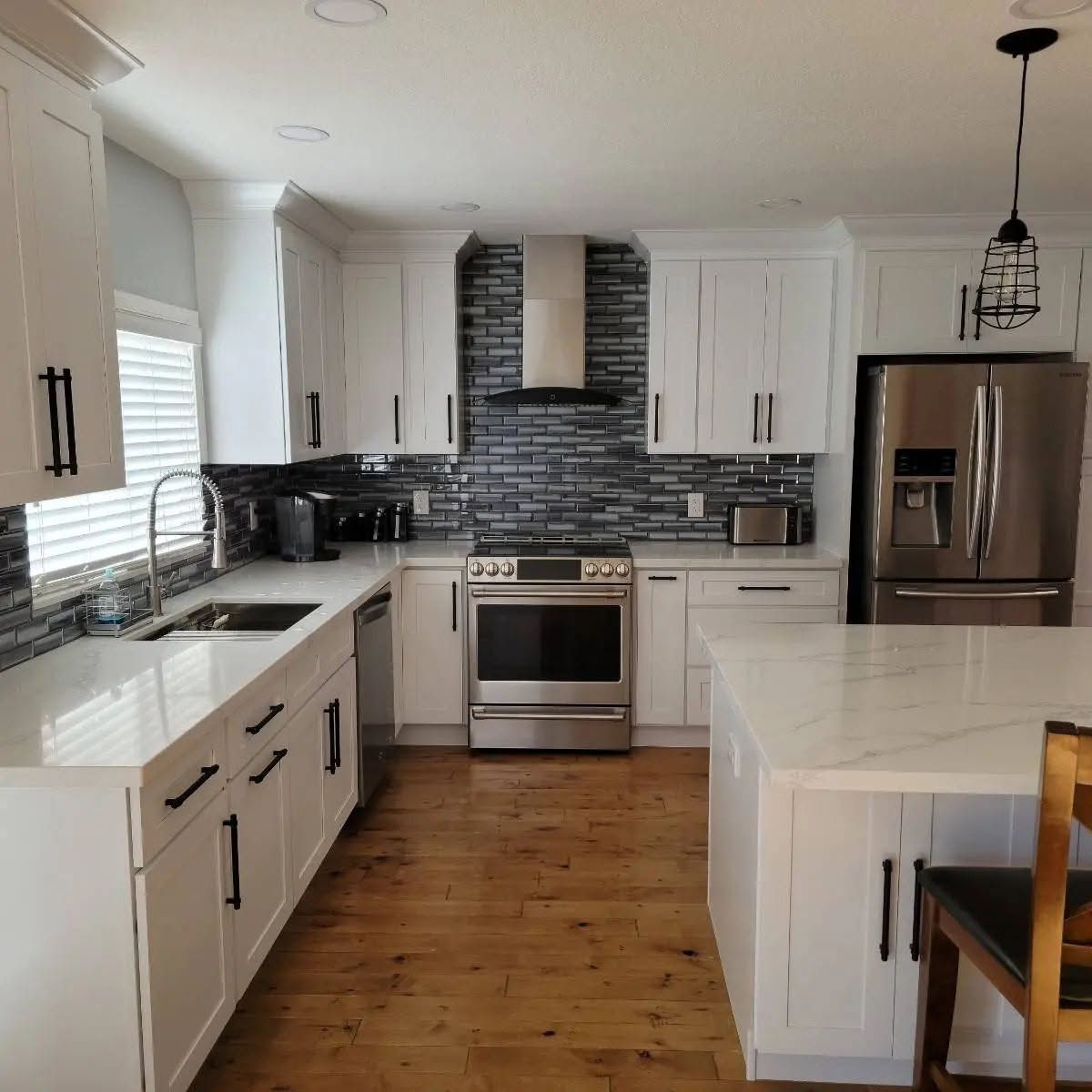
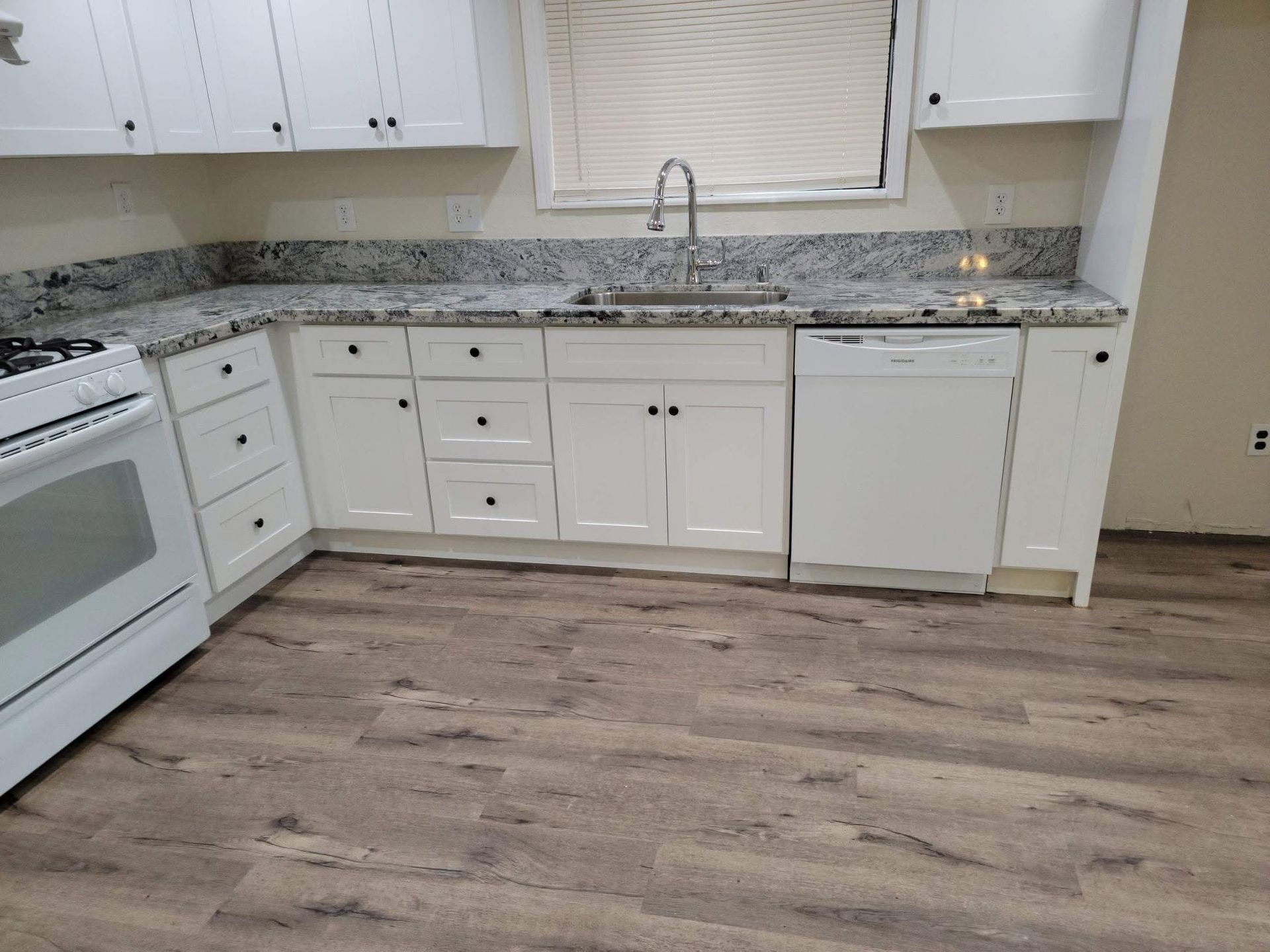
The Benefits of New Vinyl Flooring
Luxury vinyl planks install using click-lock edges that float over underlayment, allowing removal and replacement of damaged sections without disturbing surrounding areas, or glue-down methods that bond directly to subfloors for commercial applications requiring maximum stability under rolling loads. Installers stagger end joints in adjacent rows to prevent visual patterns and structural weak points, then trim planks around cabinets, doorways, and irregular walls using scribing techniques that create tight fits without visible gaps. Transition strips bridge height differences between vinyl and adjacent tile or carpet, providing smooth walking surfaces that prevent tripping.
After installation, you walk across floors that remain quiet without the hollow sound of floating laminate, clean spills with damp mops that leave no water spots or swelling at seams, and move furniture without gouging surfaces.
Vinyl planks replicate wood grain textures convincingly enough that guests mistake them for hardwood until closer inspection reveals the waterproof core. Bathrooms and laundry rooms benefit most from moisture resistance that allows standing water to be wiped up without permanent damage, while kitchens gain easy-clean surfaces where dropped food rinses away without staining grout lines.
Showroom selection allows homeowners to compare wood-look plank styles, stone-replica tiles, and abstract patterns across multiple product lines before choosing colors and textures that complement existing cabinetry and countertops. Installation timing coordinates with remodeling schedules so flooring occurs after demolition and painting but before final fixtures and appliances are set, protecting new surfaces from construction damage while allowing access for installers working around islands and built-in cabinets.
Questions Before Starting Your Project
Vinyl flooring decisions depend on subfloor type, room moisture levels, and expected wear from household activities.
What makes luxury vinyl different from sheet vinyl?
Luxury vinyl planks and tiles range from five to eight millimeters thick with rigid cores that resist denting, while traditional sheet vinyl measures two millimeters and tears more easily under sharp impacts or heavy furniture legs.
How does vinyl flooring handle moisture in Livermore bathrooms?
Waterproof cores prevent swelling and delamination when water sits on surfaces for extended periods, unlike laminate products that bloat within hours and require replacement after minor toilet overflows or tub splashing.
When should flooring be installed during remodeling?
Vinyl installation occurs after cabinets are set and painting is complete but before appliances and toilets are installed, allowing unobstructed access for large planks while protecting finished surfaces from construction traffic and dropped tools.
Why do installation methods vary by product?
Click-lock floating floors install faster and allow easier future replacement but may shift slightly under heavy appliances, while glue-down methods provide permanent bonds suited to commercial spaces or homes with large dogs that run and stop suddenly.
How long does vinyl flooring last?
Quality luxury vinyl performs for fifteen to twenty years in residential settings before wear layers show traffic patterns, significantly outlasting laminate products that scratch through decorative layers within five years in busy kitchens.
D&M kitchen and bath supply coordinates vinyl flooring installation with remodeling projects to ensure subfloors are properly prepared and installation occurs when other trades will not damage finished surfaces. Visit the showroom to compare luxury vinyl styles and request a free flooring estimate tailored to your property.