Protection Against Regional Weather Exposure
Exterior Painting in Livermore for peeling siding, faded trim, and chalking surfaces that no longer repel moisture
Wood siding that absorbs water during winter rains, stucco showing hairline cracks near windows, and trim with exposed bare wood indicate failing paint systems that no longer protect building materials. Exterior painting restores the weather barrier by addressing surface damage, applying primers that seal porous substrates, and building durable topcoats formulated to withstand ultraviolet radiation and temperature swings common in California's Central Valley. D&M kitchen and bath supply evaluates substrate conditions before recommending preparation steps and coating systems suited to each material type, ensuring that new paint adheres properly and performs as expected through years of sun, wind, and seasonal moisture.
Preparation accounts for the majority of exterior painting work and directly affects how long finishes last before requiring maintenance. Crews pressure wash to remove dirt, mildew, and loose paint, then scrape and sand remaining edges until smooth transitions exist between bare wood and intact coatings. Caulking around windows, doors, and trim joints prevents water intrusion that causes paint to blister and peel from behind, while wood fillers rebuild rotted sections on fascia boards and window sills before priming.
Schedule a property evaluation to identify preparation needs and select coating systems appropriate for your building materials.
Why Weather-Resistant Finishes Work for Long-Term Durability
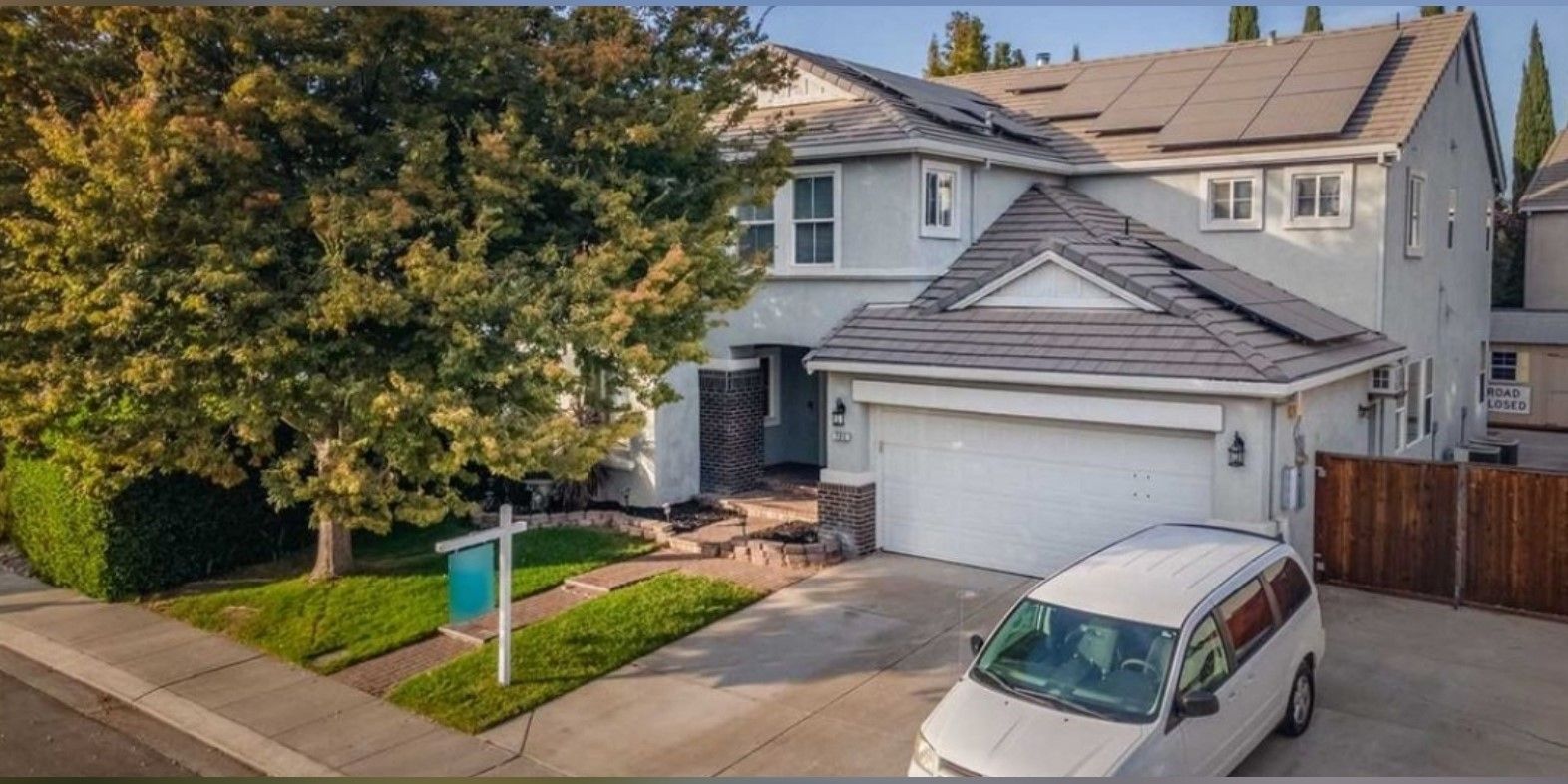
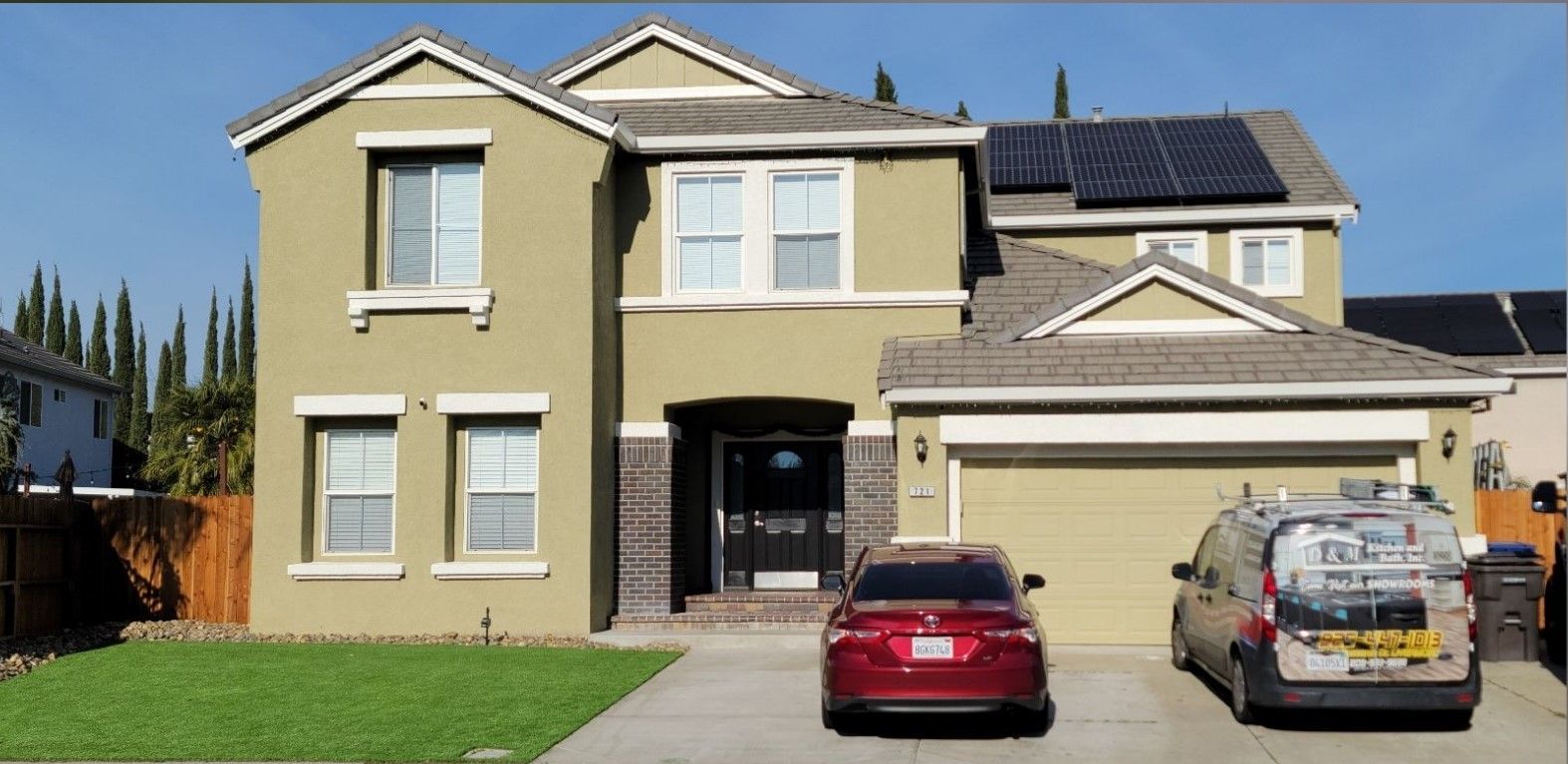
Licensed painters apply primers formulated to penetrate weathered surfaces and block tannins in cedar and redwood that bleed through latex topcoats, causing brown stains that reappear within weeks. Acrylic latex topcoats flex with wood expansion during humidity changes and resist fading under intense summer sun better than oil-based paints that yellow and chalk over time. Spray application on large siding areas delivers even coating thickness without brush marks, while back-rolling immediately after spraying works paint into textured stucco surfaces for maximum adhesion.
Once painting is complete, water beads on siding instead of soaking in, trim joints remain sealed without gaps that catch moisture, and colors maintain uniform appearance without streaking or fading in sun-exposed areas.
Stucco surfaces lose the chalky residue that rubbed off on hands when touched, while wood siding no longer shows grain patterns telegraphing through thin coatings. Building exteriors withstand afternoon sun temperatures exceeding one hundred degrees without blistering, and winter rains run off cleanly rather than darkening unpainted areas where moisture penetrates.
Commercial properties require coatings that meet fire resistance and environmental regulations while delivering curb appeal that reflects business professionalism. Residential projects often coordinate exterior painting with roof replacement or landscaping updates to maximize property value before selling, while rental property owners schedule painting during vacancy periods to minimize tenant disruption and complete work before new leases begin.
Answers to Frequent Service Questions
Exterior painting decisions depend on substrate condition, prior coating performance, and budget constraints that affect material selection.
What does exterior painting include?
Complete projects involve pressure washing, scraping and sanding loose paint, caulking joints, priming bare wood or stucco, and applying two topcoats to siding, trim, doors, and fascia boards.
How does climate affect exterior paint durability in Livermore?
Low humidity and intense summer sun dry paint quickly but also accelerate fading, requiring UV-resistant formulas and slightly darker color bases that maintain appearance longer than lighter tones that bleach and chalk within three years.
When is the best time to schedule exterior painting?
Spring and fall offer moderate temperatures that allow proper curing without extreme heat that skins paint surfaces before solvents evaporate, causing poor adhesion and premature failure during the first winter rainy season.
Why do some exterior paints fail faster than others?
Bargain-grade paints contain less pigment and binder, resulting in thin films that wear through quickly on sun-exposed walls, while premium formulas with higher solids content build thicker coatings that resist chalking and fading for seven to ten years.
How do painters protect landscaping and walkways?
Crews lay drop cloths around foundation plantings, mask adjacent surfaces with plastic sheeting and tape, and clean overspray immediately using appropriate solvents before coatings cure and bond permanently to concrete or glass.
D&M kitchen and bath supply coordinates preparation, priming, and topcoat application to ensure each layer cures properly before the next is applied, preventing adhesion failures common when contractors rush schedules. Request a free exterior painting estimate to review color options and surface repair requirements for your property.