Surfaces That
Reflect Current Style
Interior Painting in Livermore for faded walls, stained ceilings, and outdated colors that no longer match furnishings
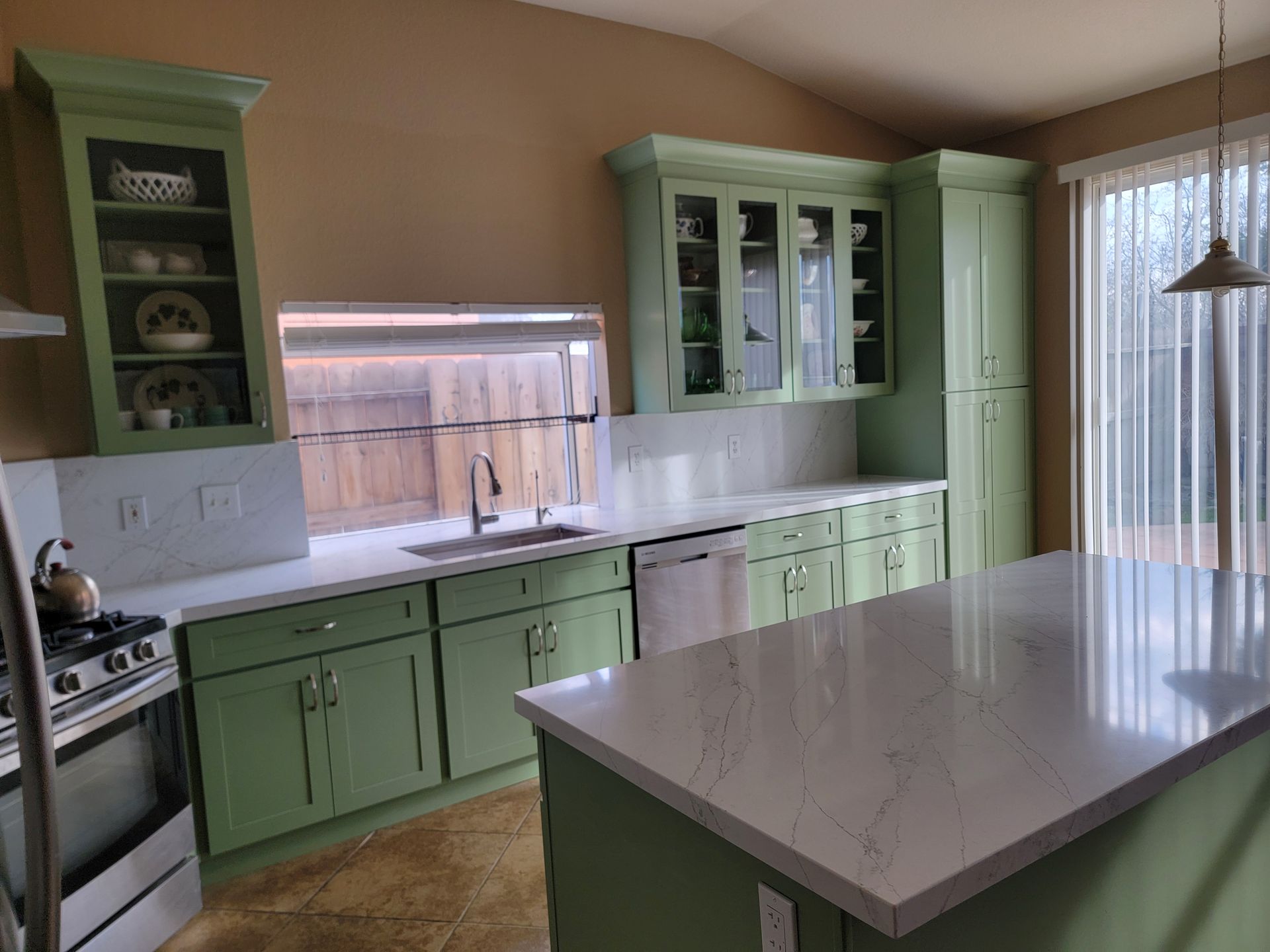
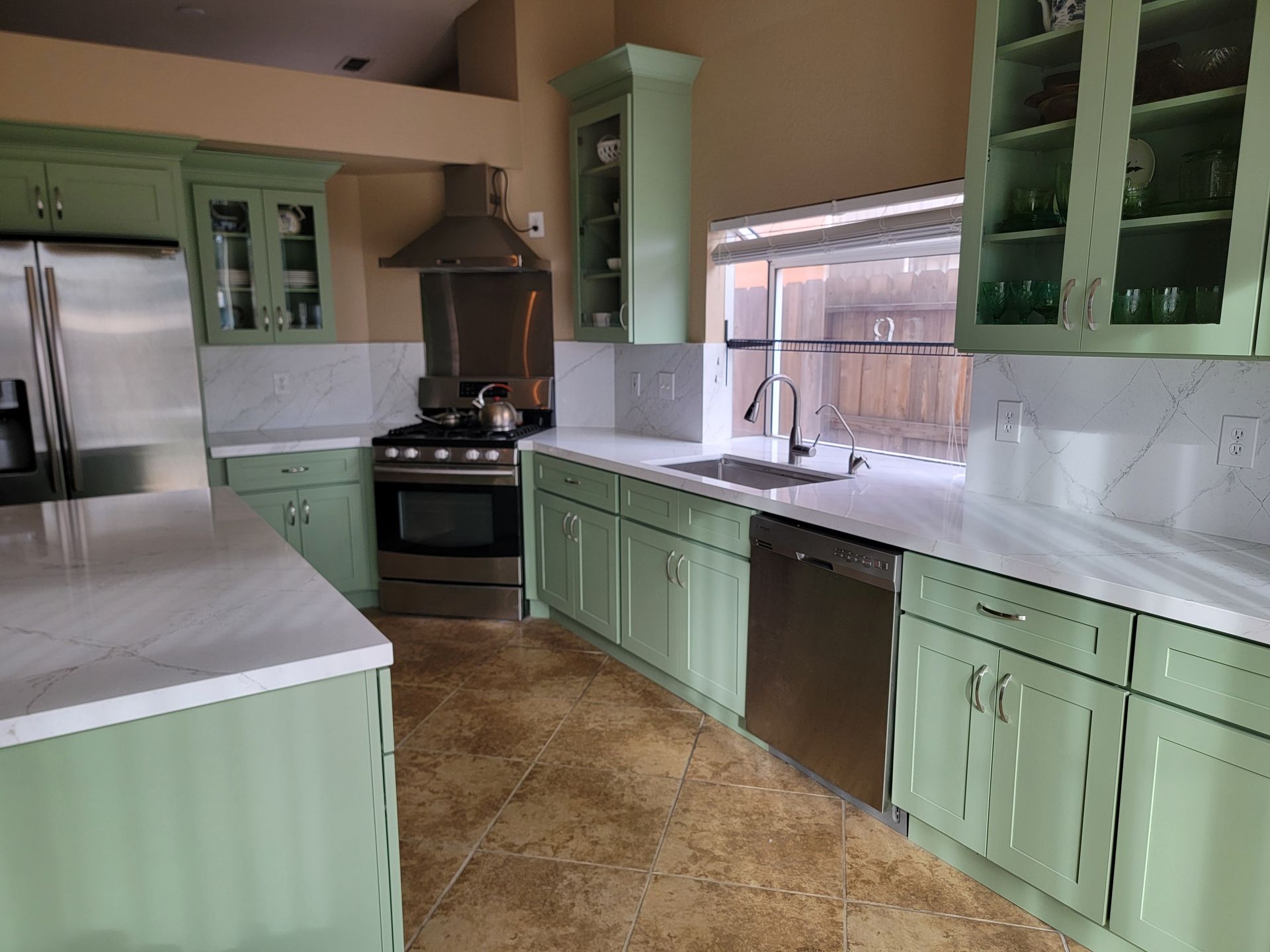
Scuff marks along hallways, smoke-yellowed ceilings, and patchy touch-ups from past repairs become increasingly visible over time. Professional interior painting restores uniform color across walls, ceilings, trim, and cabinetry by addressing surface defects before applying premium coatings in consistent layers. D&M kitchen and bath supply prepares interiors by filling nail holes, sanding rough patches, and priming stains that would bleed through topcoats, then applies paint using techniques that eliminate visible brush strokes and roller marks.
Surface preparation determines how well paint adheres and how long the finish lasts without peeling or flaking. Crews wash walls to remove grease and dust, scrape loose paint around window frames, and apply bonding primers over glossy trim that would otherwise repel water-based topcoats. Ceilings often require stain-blocking primers where roof leaks or plumbing failures left discoloration that reappears through standard paint within weeks. Cabinet painting involves degreasing, light sanding, and specialized primers formulated to bond with existing finishes before applying durable enamel topcoats that resist daily handling.
Request a detailed estimate based on room dimensions, surface conditions, and color changes planned for your property.
What Interior Painting Actually Accomplishes
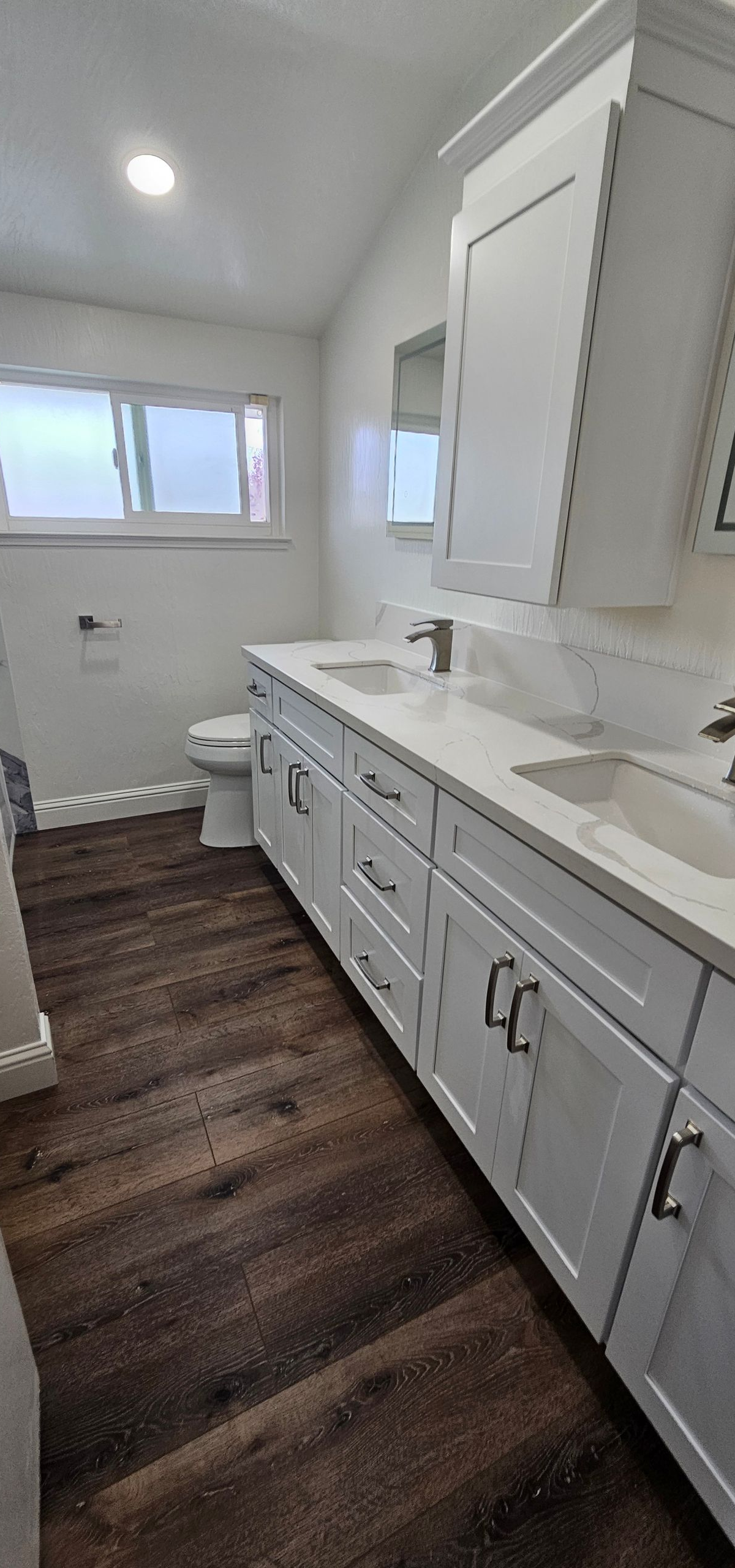
Painting contractors evaluate each surface to determine the appropriate primer and topcoat combination, selecting low-VOC formulas for bedrooms and moisture-resistant coatings for bathrooms and kitchens where humidity causes standard paints to develop mildew. Spray application delivers smooth finishes on cabinet doors and trim, while roller techniques with extended poles cover large wall areas efficiently without leaving lap marks where wet edges overlap. Cutting in along ceilings and baseboards with angled brushes creates sharp transitions between wall colors and adjacent surfaces.
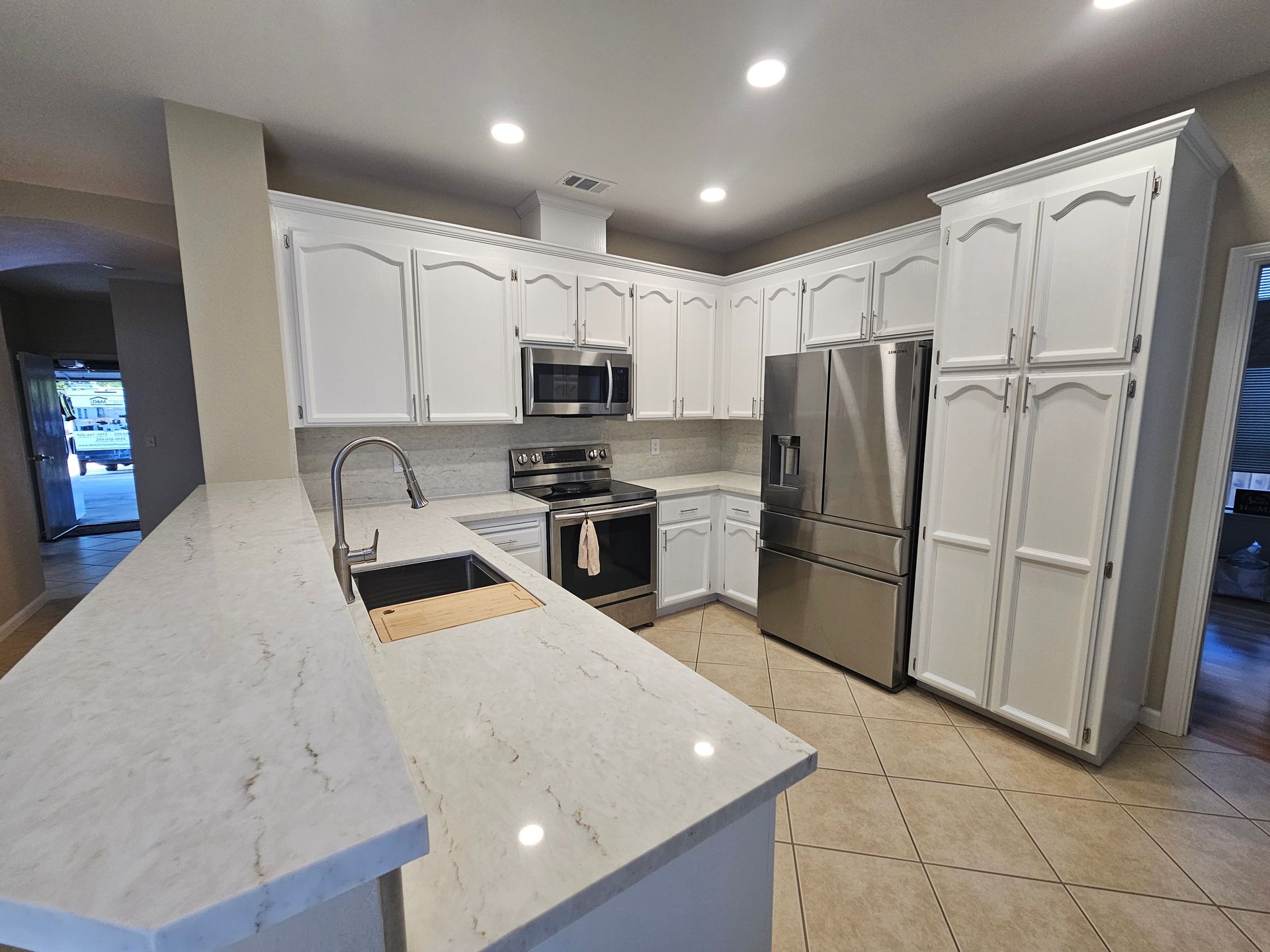
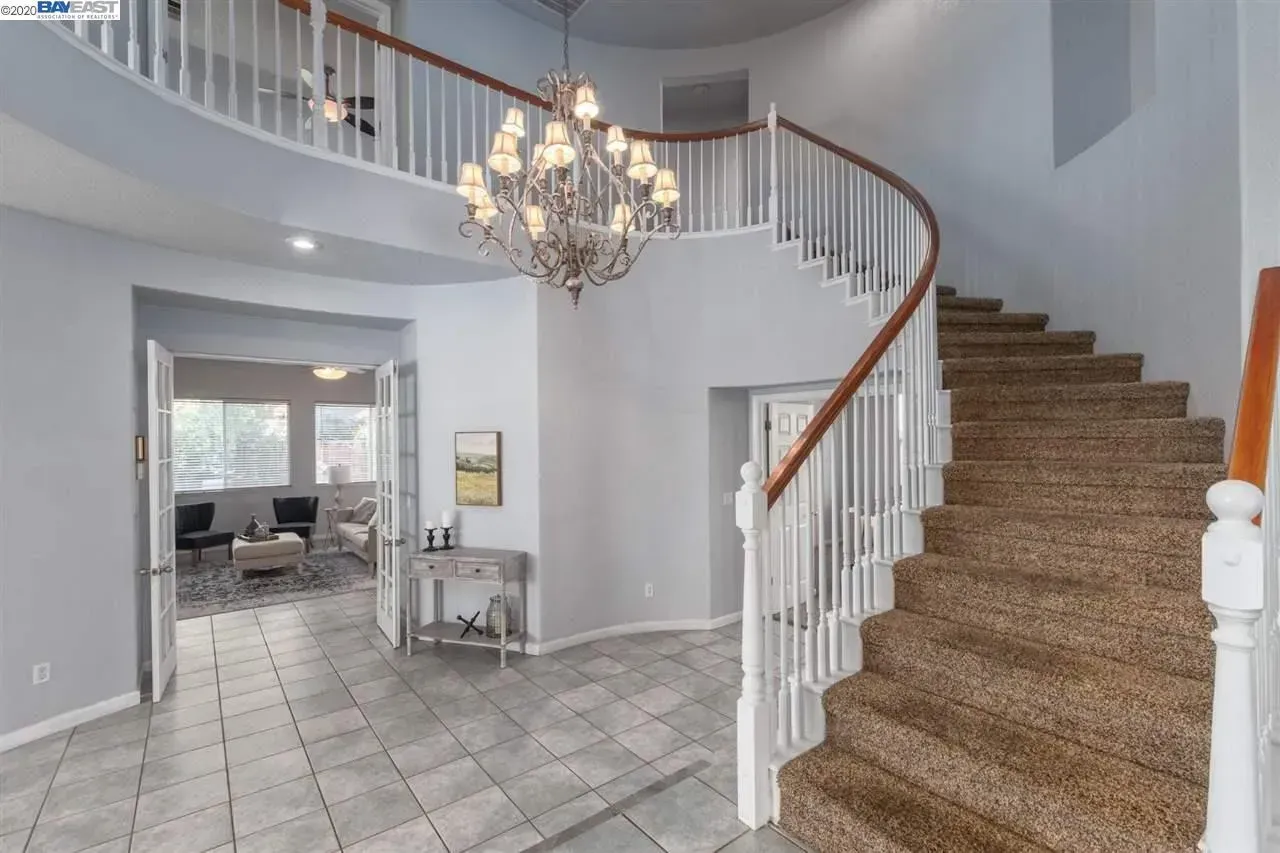
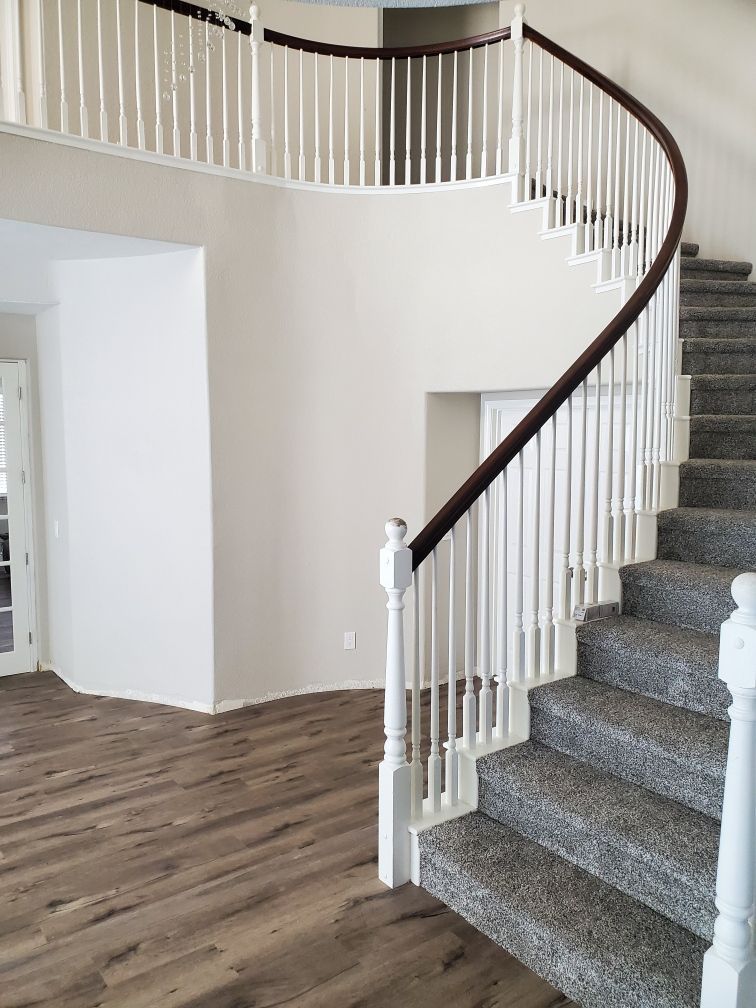
After painting, you see walls with uniform sheen from any angle, trim that contrasts cleanly against wall colors without bleed-through at edges, and ceilings free of roller texture shadows caused by uneven pressure. Previously marked walls around light switches and doorways now appear fresh, while cabinets show no brush marks or drips along inside edges of door frames.
Colors appear consistent across rooms even when natural light varies, because painters mix enough material from the same batch to complete connected spaces without slight tint variations.
Commercial properties benefit from flexible scheduling that allows painting during closed hours to avoid disrupting business operations, while remodeling projects integrate painting after demolition dust is cleared but before final fixtures are installed. Coordination with other trades ensures painters access walls after electrical outlets are installed but before switch plates are attached, and that trim painting occurs after flooring installation to protect new surfaces from drips.
What Property Owners Usually Ask
Interior painting choices depend on room use, existing surface conditions, and how frequently spaces will need future updates.
What preparation steps improve paint durability?
Cleaning surfaces to remove cooking grease, patching cracks with flexible filler compounds, and priming stained areas with shellac-based blockers prevent recurring discoloration and ensure topcoats bond securely without peeling at edges.
How do paint finishes affect maintenance?
Flat finishes hide minor wall imperfections but cannot be scrubbed without burnishing, while satin and semi-gloss sheens on trim and high-traffic areas allow cleaning with damp cloths to remove fingerprints and dirt buildup.
When should homeowners repaint interiors?
Repainting every five to seven years in occupied homes prevents excessive dirt accumulation that becomes harder to cover, while rental properties often require repainting between tenants to address damage and maintain consistent appearance.
Why does cabinet painting cost more than wall painting?
Cabinetry requires degreasing, sanding, specialized bonding primers, and multiple thin topcoats applied with spray equipment or high-quality brushes to achieve smooth, durable finishes that resist chipping when doors are opened daily.
How does interior painting in Livermore account for lighting conditions?
Homes with large windows facing south receive intense afternoon sun that fades paint faster, requiring UV-resistant formulas and slightly deeper color tones that maintain appearance longer than lighter shades that bleach within months.
D&M kitchen and bath supply coordinates interior painting with remodeling timelines so walls receive finish coats after dust-producing work is complete but before furniture is moved back into rooms. Request a free interior painting estimate to review color options and surface preparation requirements for your property.