Custom Showers That
Resist Daily Moisture
Shower Tile Installation in Livermore for new construction and bathroom remodeling projects requiring waterproof surfaces
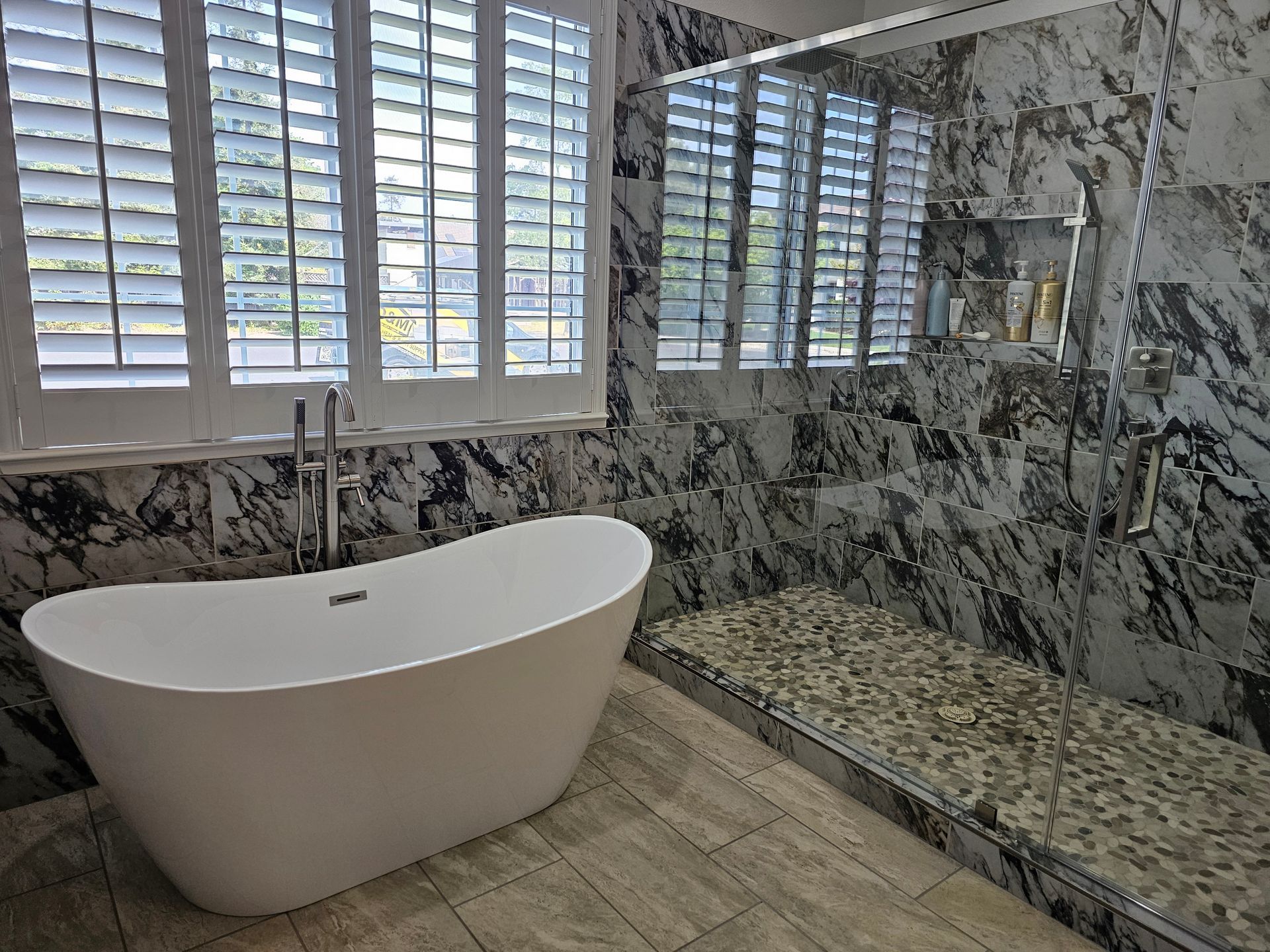
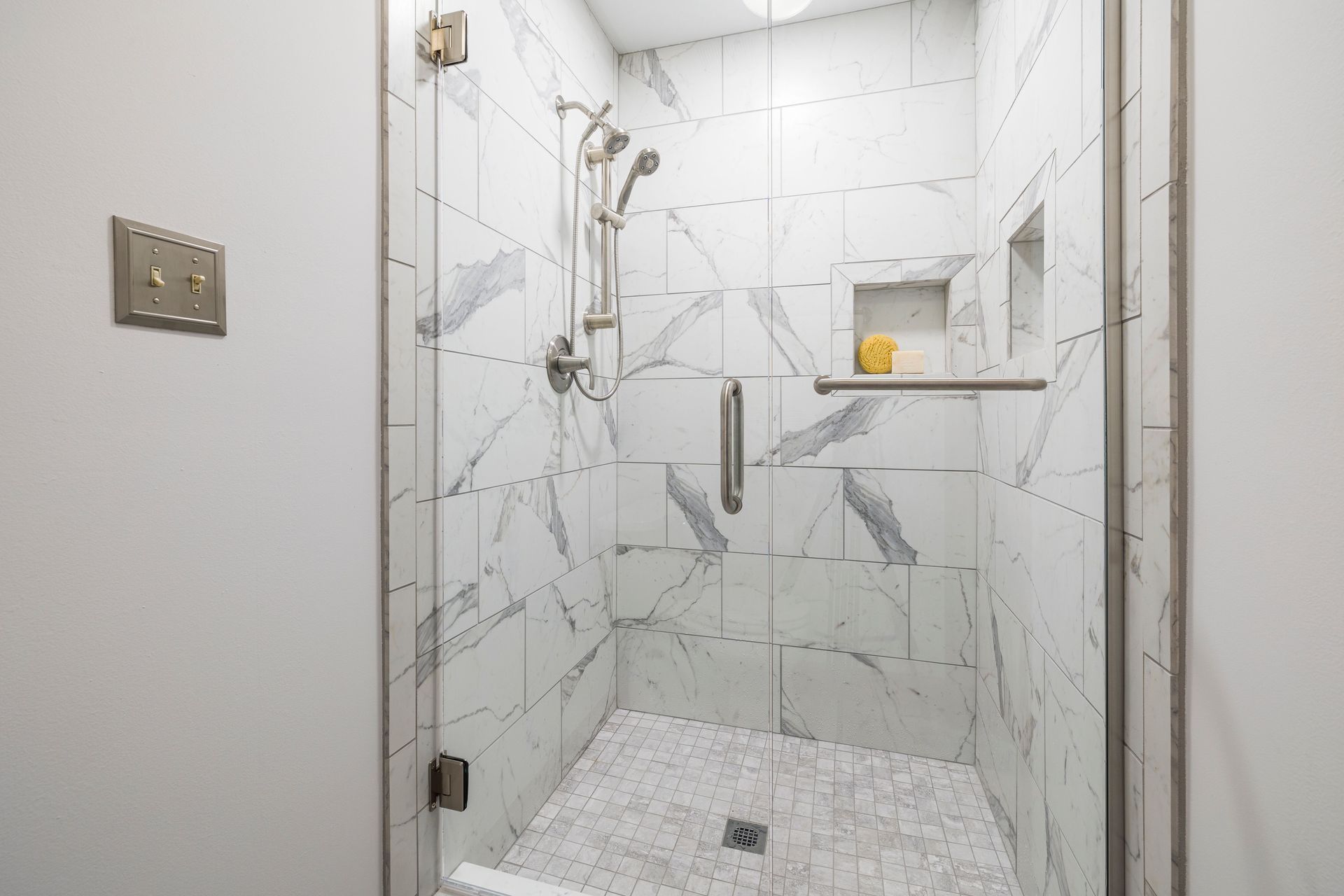
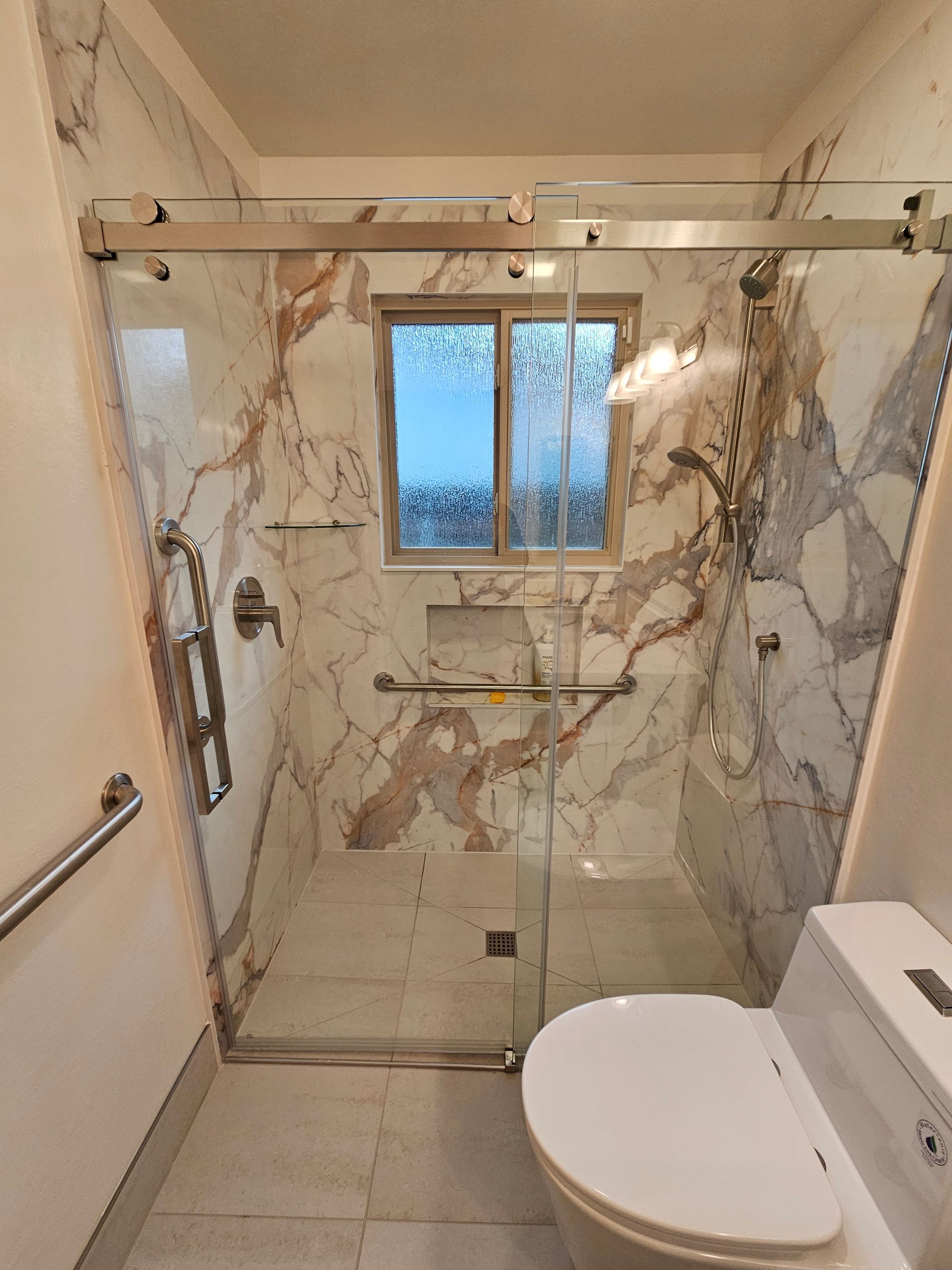
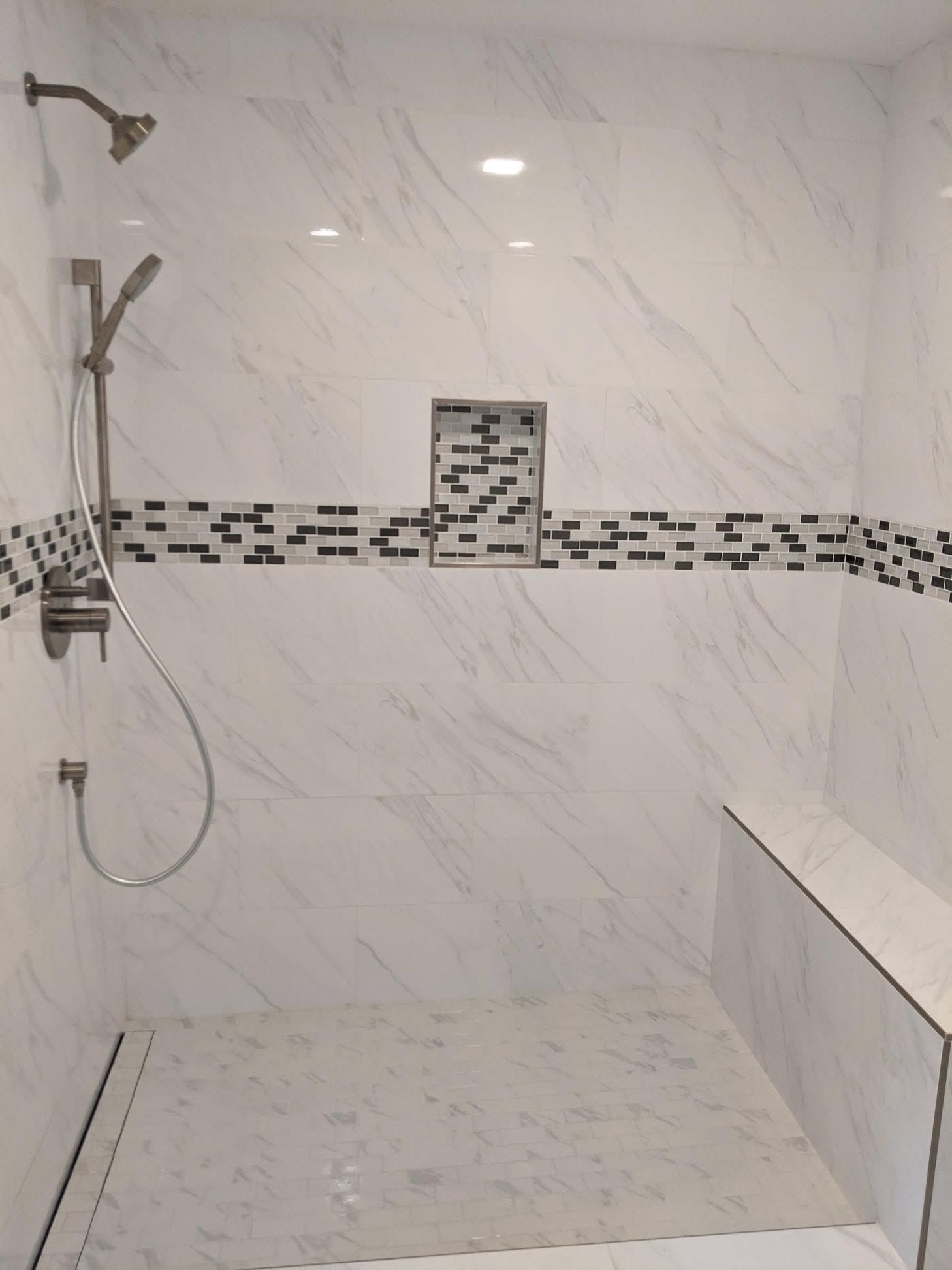
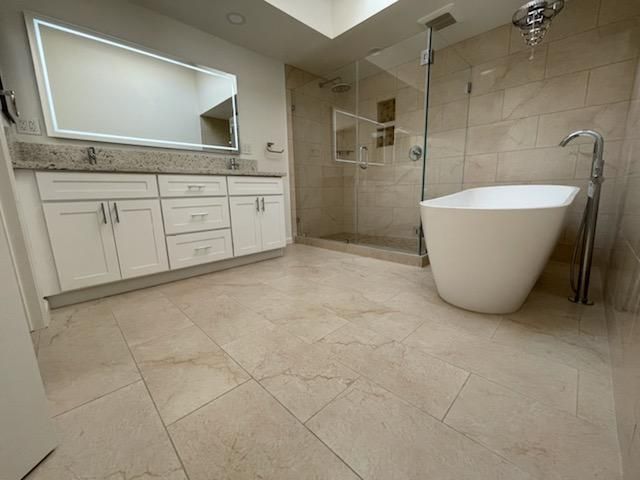
Showers in Livermore bathrooms face constant water exposure, temperature swings, and cleaning chemical contact that test every seam and joint in the tile assembly. D&M kitchen and bath supply installs custom shower tile systems that address these conditions with waterproof membranes behind the tile, proper slope in the shower pan, and grout joints sealed to prevent water from migrating into wall cavities. The installation integrates accent features like niche shelving, decorative borders, and contrasting tile patterns that add visual interest while maintaining the waterproof barrier that protects framing and subfloor from rot.
The process starts with waterproofing the shower substrate using membrane systems that bond to cement board and extend up walls to a height above the showerhead, creating a continuous barrier before any tile is set. Installers then work from the shower pan upward, setting tile with thinset that fills voids and prevents water from reaching the membrane, while maintaining consistent grout lines that follow the wall plane without wavering.
Arrange an on-site consultation to review your bathroom layout and discuss tile material options that suit your design preferences.
How Professional Installation Addresses Moisture
Moisture damage in showers typically originates from three failure points: improper slope in the pan that allows water to pool rather than drain, gaps in the waterproof membrane at seams or penetrations, and grout joints that crack or erode over time. Professional installation addresses each point by sloping the pan at least one-quarter inch per foot toward the drain, overlapping and sealing membrane seams according to manufacturer specifications, and using grout mixed to the correct water ratio so it cures hard rather than remaining soft and porous.
Once installation is complete, you'll notice water flowing directly to the drain without puddling in corners, tile surfaces that feel smooth and level without protruding edges, and grout lines that resist darkening or crumbling when exposed to water and soap residue.
The shower becomes easier to clean because water beads off properly sealed surfaces rather than soaking into porous material that harbors mildew.
Custom layouts allow for features like built-in benches, recessed niches for shampoo storage, and accent tiles that break up large expanses of field tile—each element is waterproofed and integrated during the installation rather than added afterward. These features are planned during the design phase so that waterproofing and tile layout account for their placement from the start.
Answers to Frequent Service Questions
Bathroom remodeling projects in Livermore often raise these questions about shower tile installation and long-term performance.
What tile materials work best for shower walls and floors?
Porcelain and ceramic tile both resist moisture effectively, but shower floors require tile with textured surfaces or smaller mosaic formats that provide slip resistance when wet, while walls can use larger format tiles with polished or matte finishes based on your design preference.
How is the shower pan constructed to prevent leaks?
A pre-sloped mortar bed or foam pan is installed over the waterproof membrane, then sloped toward the drain and covered with a second waterproof layer before tile installation begins, creating a dual-barrier system that directs water to the drain even if the tile and grout develop minor cracks.
When does grout need to be resealed in a shower?
Grout sealer should be reapplied annually in showers due to the constant water exposure and cleaning chemical contact that degrade the sealer faster than in other tiled areas, maintaining protection against staining and moisture penetration.
What causes grout to crack in shower installations?
Grout cracks typically result from movement in the substrate, tile installed over a surface that flexes, or grout mixed with too much water that weakens its structure, which is why installers use cement backer board and apply thinset in a way that eliminates voids beneath tiles.
How does tile installation coordinate with other bathroom remodeling work?
Tile installation happens after plumbing rough-in and waterproofing are complete but before fixtures like shower doors and trim are installed, allowing the tile to set and cure without obstruction while ensuring that final fixtures integrate cleanly with the finished tile surface.
D&M kitchen and bath supply manages shower tile installation as part of complete bathroom remodeling projects, coordinating waterproofing, tile setting, and fixture installation for results that perform as intended. Schedule a free consultation to discuss your shower design and review material selections available in the showroom.