Surfaces
Measured and Installed for Precision Fit
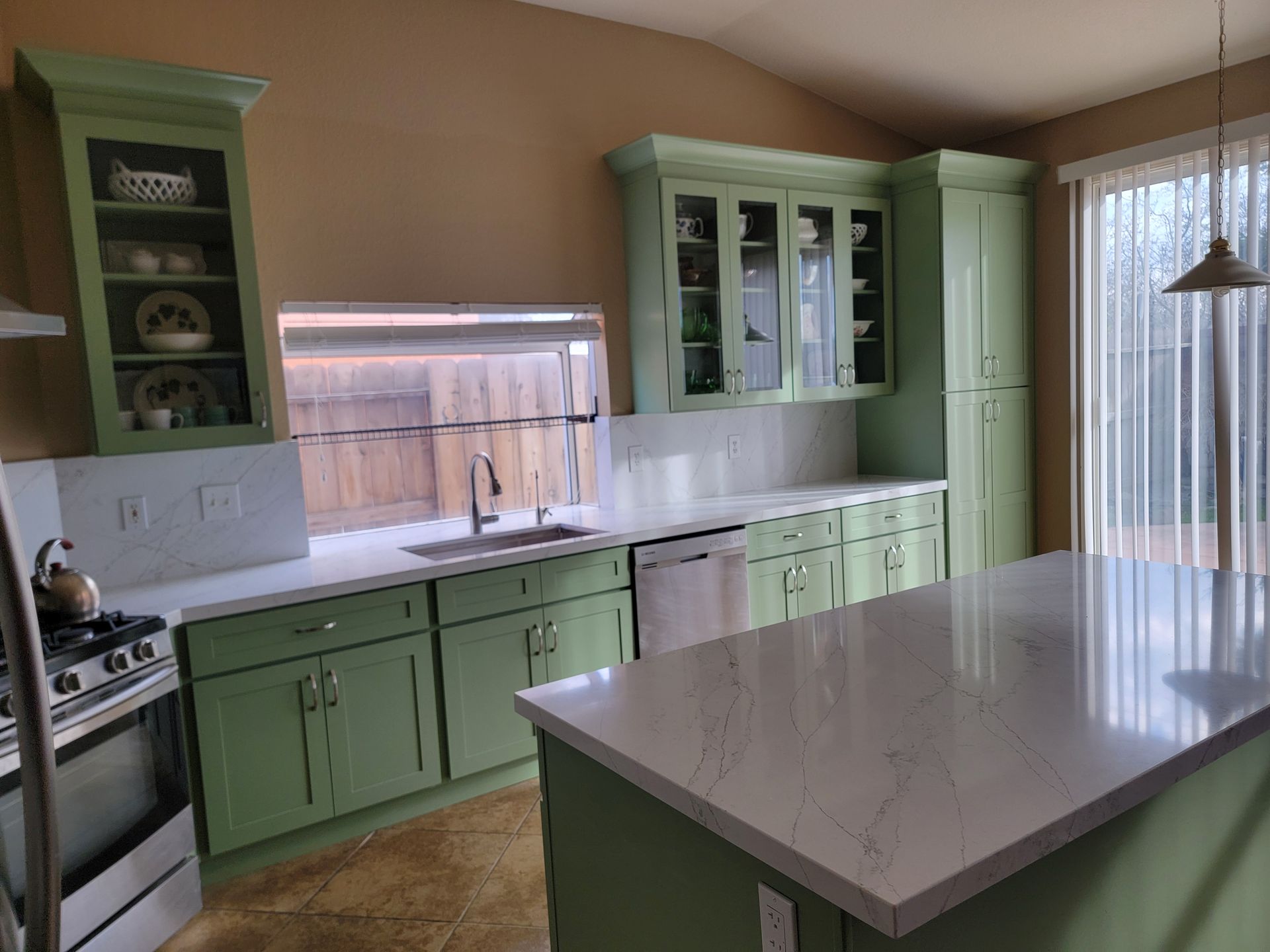
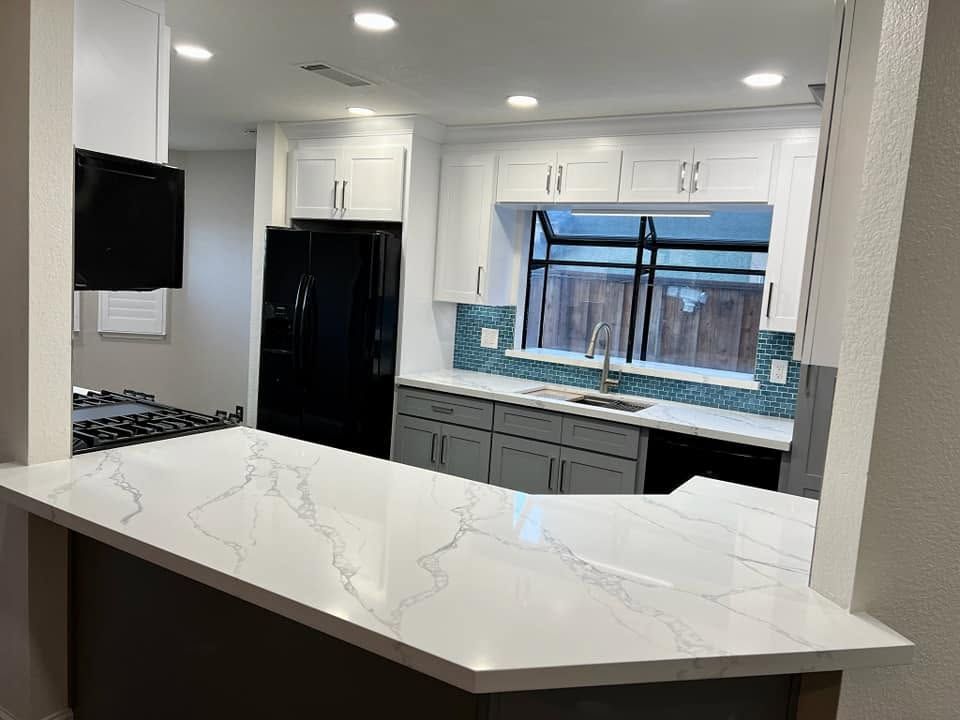
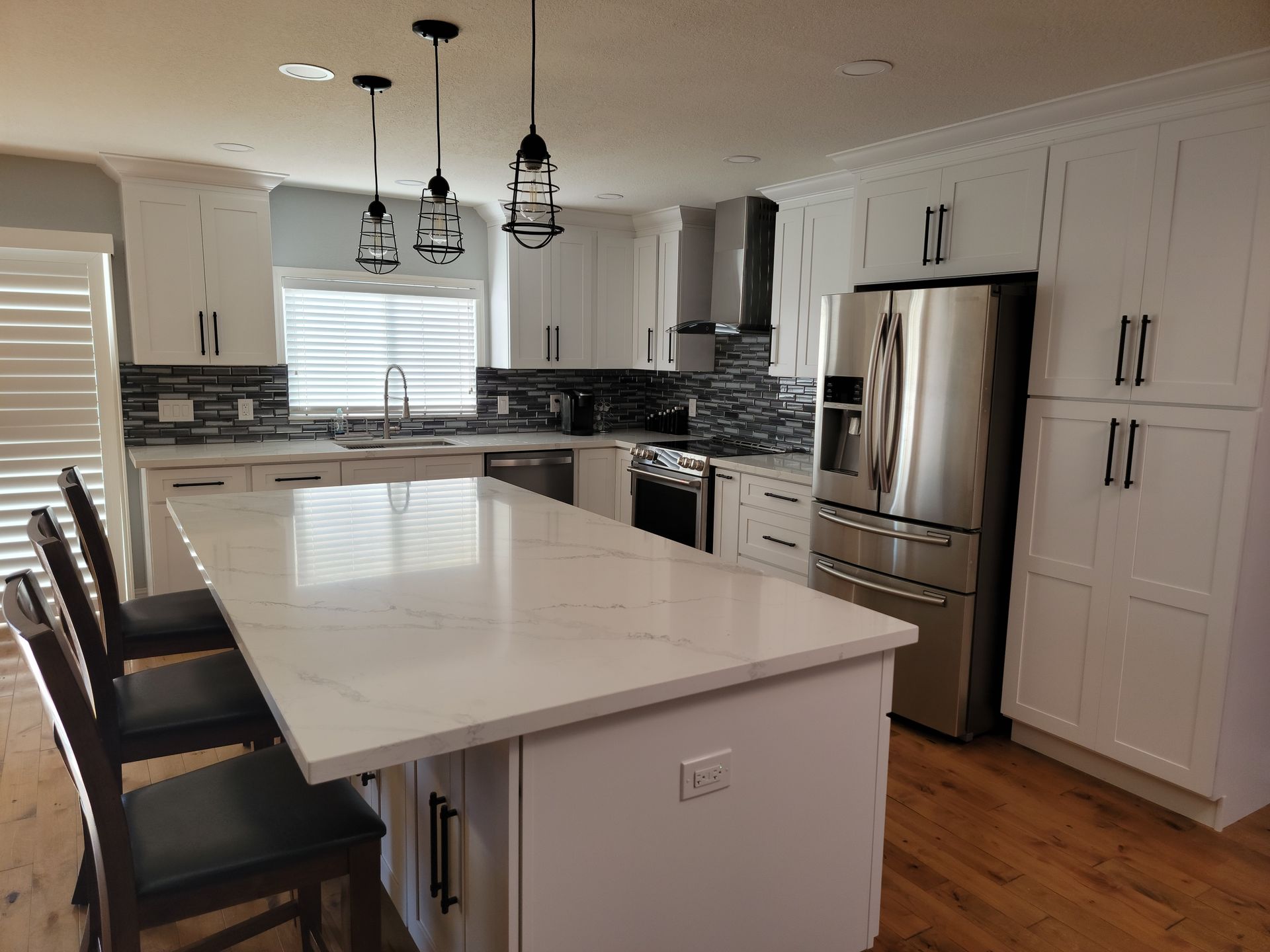
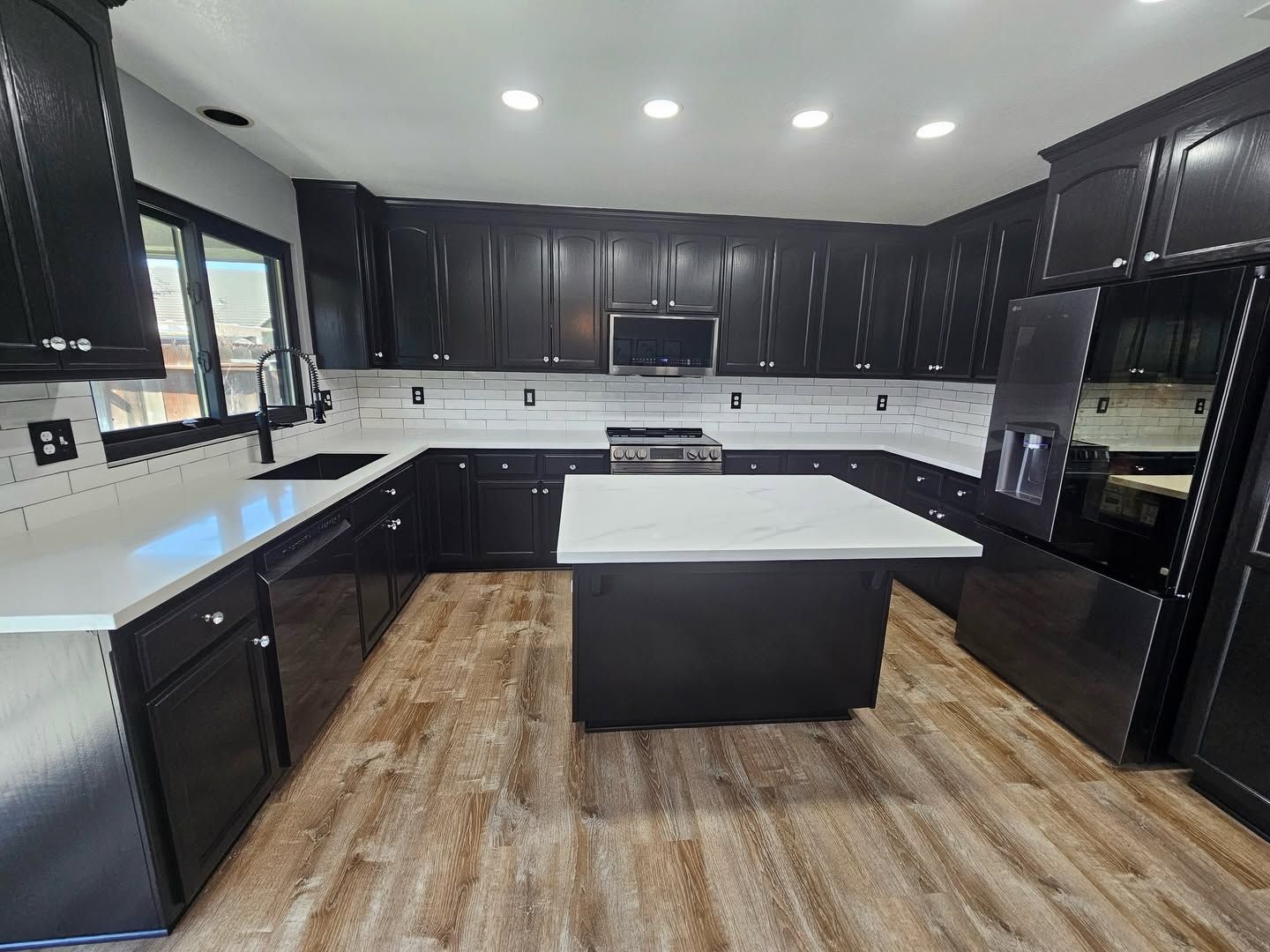
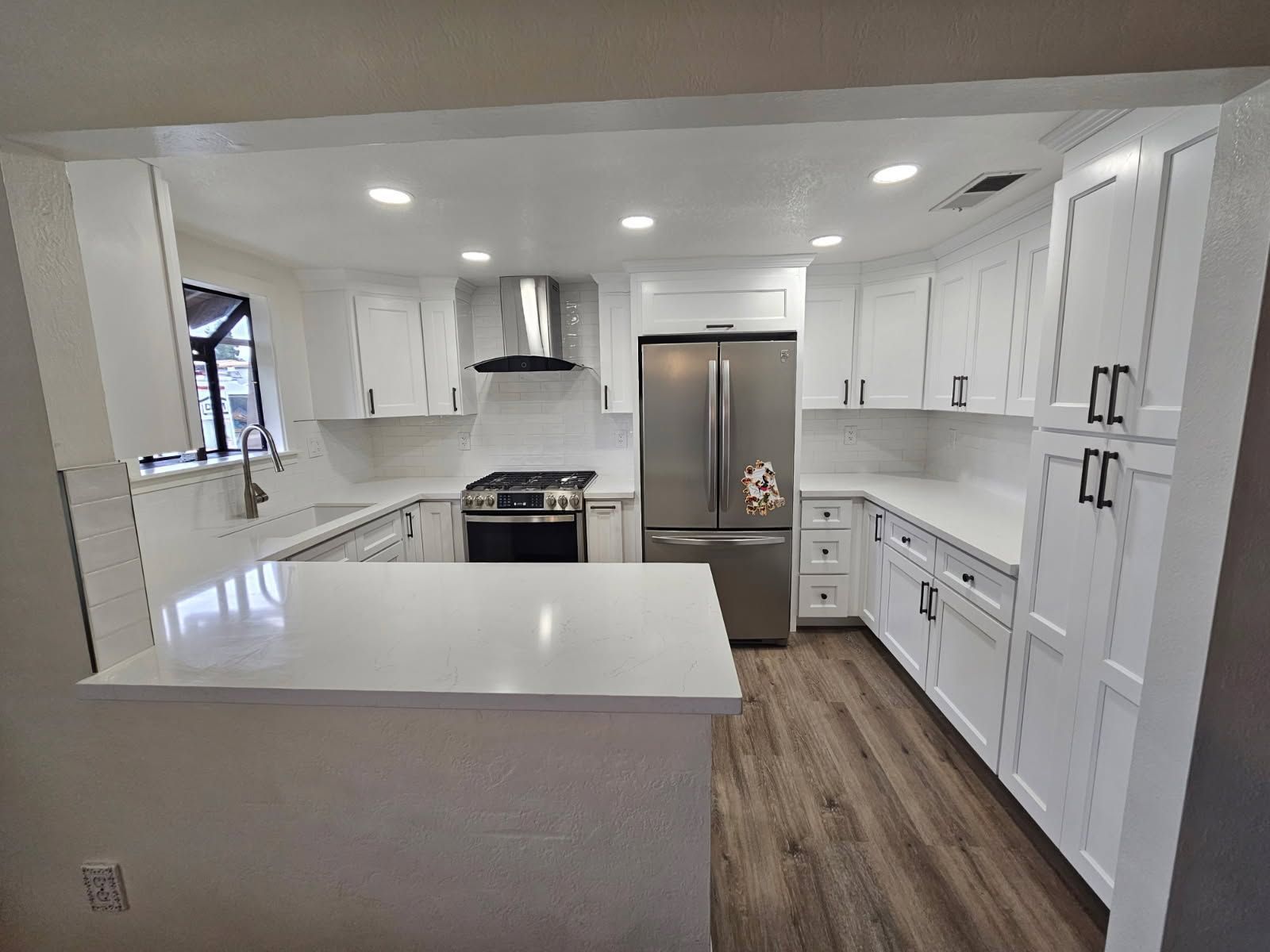
Countertop Installation in Livermore for kitchens, bathrooms, and living spaces requiring durable work surfaces
Countertop performance depends on fabrication accuracy and installation precision—seams that align without gaps or height differences, cutouts positioned so that sinks and faucets sit exactly where plumbing connections emerge, and edges finished so that overhangs remain consistent around the perimeter. D&M kitchen and bath supply manages countertop installation by measuring cabinets after they're installed and level, coordinating fabrication with suppliers who cut material to those exact dimensions, and setting countertops with shims and adhesive that secure the surface without creating stress points that could crack the material over time. The process accounts for how different materials behave—granite and quartz are rigid and need full support underneath, while laminate can flex slightly to accommodate minor irregularities in the cabinet surface.
Installation begins with verifying that base cabinets are level and properly anchored, then positioning countertop sections so that seams occur at logical break points rather than in high-visibility areas, and finally securing the material with mechanical fasteners or adhesive depending on the substrate and countertop weight. Cutouts for sinks, cooktops, and faucets are made during fabrication based on template measurements taken on-site after cabinets are in place.
Schedule a property evaluation to measure your space and review countertop material options that suit your design and durability requirements.
Why Measuring and Fabrication Matter
Countertop failure typically traces back to measurement errors during templating or fabrication mistakes that produce cutouts in the wrong location—problems that only become apparent during installation when the countertop arrives and doesn't fit. Precise measuring involves creating a template from the installed cabinets rather than relying on cabinet dimensions from the manufacturer, because cabinets shift slightly during installation and walls are rarely perfectly straight.
After installation, you'll notice countertop seams that are nearly invisible when viewed from normal standing height, sink edges that sit flush with the countertop cutout without gaps that collect water and debris, and overhangs that remain consistent where countertops extend past cabinet faces.
The surface sits level across its entire span, preventing water from pooling in low spots or objects from rolling toward one end, and cutouts align with plumbing connections so that faucet installation proceeds without adapters or extensions to bridge misalignment.
Material selection affects appearance, durability, and maintenance requirements—granite resists scratches and heat but requires periodic sealing, quartz offers consistent color and pattern without sealing but can discolor if exposed to direct sunlight, and laminate provides budget-friendly options with color variety but shows wear at high-use areas over time. Each material is installed slightly differently to account for its weight, rigidity, and edge profile.
Questions Before Starting Your Project
Countertop installation raises practical questions about material selection, fabrication timelines, and integration with other remodeling work.
What happens during the measuring process for countertop fabrication?
A template is created after cabinets are installed and leveled, using thin material or laser measurements to capture the exact dimensions and angles of the cabinet layout, including locations for sink and cooktop cutouts based on where plumbing and electrical connections will emerge.
How long does fabrication take after measurements are completed?
Fabrication typically requires one to three weeks depending on material availability and the complexity of the countertop layout, including the number of seams, cutouts, and edge profiles that need to be cut and finished before the countertop is ready for installation.
What support do cabinets need to handle countertop weight?
Most countertop materials require cabinets with solid construction and level surfaces, with additional support like plywood substrate added in areas where the countertop spans gaps or extends past cabinet boxes as an overhang for seating.
How are seams positioned in countertop layouts?
Seams are located at natural break points like where two countertop sections meet at a corner, avoiding placement directly in front of the sink or cooktop where they would be highly visible and subject to water exposure that could affect the seam joint over time.
What countertop materials perform best in Livermore kitchens with high use?
Quartz and granite both handle daily use, heat exposure from cookware, and moisture without degrading, though quartz requires less maintenance because it doesn't need sealing like natural stone, making it practical for homeowners who prefer surfaces that clean easily without special products.
D&M kitchen and bath supply coordinates countertop measuring, fabrication, and installation as part of complete kitchen and bathroom remodeling, ensuring that each step happens in sequence with cabinet installation and plumbing work. Visit the showroom to review material samples and discuss options that fit your project budget and design preferences, or call (925) 998-3370 to arrange a consultation.